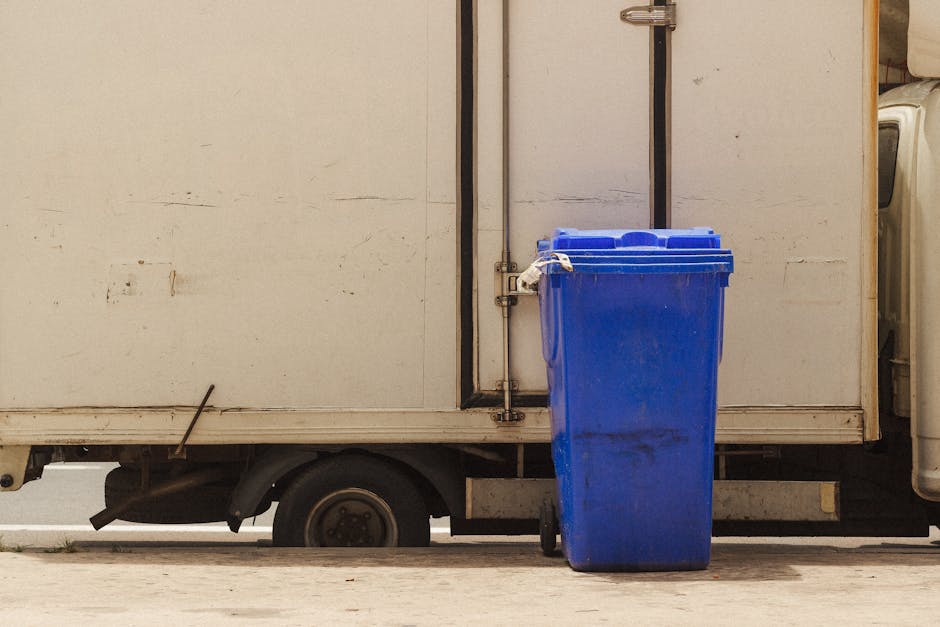
Responsible cleaning waste disposal and recycling Kensington
Posted on 04/10/2026
If you have ever finished a deep clean, stood back, and looked at the pile of bags, bottles, cloths, and dusty bits by the door, you will know the real job is not always the cleaning itself. It is what happens after. Responsible cleaning waste disposal and recycling Kensington is about handling that post-clean mess properly: separating recyclable materials, keeping hazardous items out of general waste, and making sure everything is taken away in a way that is safe, tidy, and sensible.
In a place like Kensington, where homes, flats, offices, and heritage properties often sit side by side, waste handling needs a bit more thought than a quick bin run. You want a process that protects the property, respects neighbours, and fits accepted UK waste practice. This guide walks through how it works, why it matters, what to avoid, and how to make better decisions whether you are a homeowner, tenant, landlord, or business owner.
Practical takeaway: good waste disposal is not an extra. It is part of a proper clean. If the waste is handled carelessly, the whole job can feel half-finished.

Why Responsible cleaning waste disposal and recycling Kensington Matters
Waste handling might sound like the boring bit. Truth be told, it is one of the clearest signs of whether a cleaning job has been done properly. In Kensington, this matters even more because many properties are tightly spaced, access can be awkward, and waste left in the wrong place can quickly become a nuisance for residents, visitors, and building managers.
There is also a practical side. Mixed waste is more expensive to handle, recyclable material gets lost, and hazardous items can create problems that are much bigger than a cluttered bin. Think about used detergent containers, vacuum dust, disposable cloths, broken packaging, food debris from kitchen cleaning, or a small amount of renovation dust after a deep clean. If everything is thrown together, recycling becomes harder and disposal standards slip.
Responsible disposal also supports a cleaner local environment. Kensington has a lot of foot traffic, shared entrances, managed estates, and commercial premises. That means waste sitting outside for too long can affect the look and feel of the street very quickly. Nobody wants a neat hallway inside and a trail of bags outside. Not a great look, to be fair.
There is another angle too: trust. Clients notice when waste is handled carefully. They notice when a cleaner wipes down surfaces and also takes away packaging neatly, sorts recycling properly, and leaves the property ready to use. That sense of completion matters. It is often the difference between "clean enough" and "properly cared for".
How Responsible cleaning waste disposal and recycling Kensington Works
At a practical level, responsible cleaning waste disposal follows a simple pattern: sort, contain, move, and dispose. The details vary depending on the property and the type of cleaning, but the workflow is fairly consistent.
1. Identify the waste streams
Before anything is bagged, the waste should be separated into broad categories. This usually includes general waste, dry recycling, food waste where applicable, and any items that need special handling. A domestic clean in South Kensington will not create the same waste as an office clean near the station, but the same principle still applies.
2. Keep recyclables clean and separate
Recycling works best when materials are not contaminated. Cardboard, clean plastics, paper, and certain cans are usually the easiest to recycle if they are kept dry and free from food or cleaning residue. A wet box of flattened packaging, for example, may be much less useful than one that has been kept separate during the clean.
3. Bag and contain waste safely
Waste should be bagged in a way that prevents leaks, tears, and spills. This matters with bathroom waste, kitchen waste, and anything dusty. A bag that splits halfway down the stairwell is one of those tiny disasters that somehow takes twice as long to fix.
4. Remove waste in line with the property setup
Some buildings have communal bins, some have designated collection points, and some require more careful timing because of access, loading restrictions, or building rules. In Kensington, where access can be narrow and shared, the cleaner or waste handler often needs to plan the exit route before the job starts.
5. Dispose of special items correctly
Certain items should not be mixed in with everyday rubbish. This may include chemical containers with residue, sharp objects, broken glass, batteries, electrical items, or cloths saturated with stronger cleaning products. The right handling depends on the item and local arrangements, so it is best not to guess.
6. Confirm the site is left tidy
The last step is easy to overlook. The disposal area itself should be tidy, safe, and free from stray waste. When a cleaner leaves the back entrance, bin store, or utility area cleaner than they found it, the whole service feels more professional.
If you already use a broader cleaning package such as deep cleaning in West Kensington or spring cleaning in West Kensington, waste sorting is usually best built into the process rather than added on afterwards.
Key Benefits and Practical Advantages
Responsible disposal and recycling is not just about being tidy. It brings a few very real benefits that show up quickly.
- Cleaner presentation: A property feels finished when waste is removed properly and not left stacked by the door or in the hallway.
- Better recycling rates: Separate recyclable material is more likely to be processed correctly instead of being lost in mixed waste.
- Lower contamination risk: Keeping cleaning chemicals, food waste, and dry recyclables apart prevents avoidable problems.
- Improved safety: Fewer loose bags, sharp items, and leaking containers means fewer hazards for residents and staff.
- More professional service: Clients notice the detail. Waste handling says a lot about standards, even if nobody mentions it aloud.
- Less stress with building rules: Good process reduces complaints about bin areas, collection times, and shared spaces.
There is also a subtle benefit that people often miss: better waste handling reduces the mental clutter after a clean. You know that feeling when a room looks fresh, but there is still rubbish waiting to go? It drags the whole atmosphere down. Clear the waste and the space breathes a bit easier.
Who This Is For and When It Makes Sense
This approach is useful for a wide range of people in Kensington. It is not only for large commercial contracts or complex refits. In fact, some of the most common use cases are surprisingly ordinary.
Homeowners and tenants
If you are doing a one-off clean, moving out, or dealing with a post-party reset, waste can pile up quickly. Packaging, food waste, old paperwork, broken household bits, and cleaning product containers all need different treatment.
Landlords and letting agents
End-of-tenancy cleans often create a mixed waste trail: forgotten items, worn hangers, old toiletries, damaged small items, and general clutter. Having a disposal plan helps the property turn around faster and look ready for viewing. If that is part of your workload, end of tenancy cleaning in West Kensington is a natural fit for this kind of planning.
Offices and workspaces
Office cleaning can generate paper, packaging, sanitising wipes, and occasional confidential waste. The waste stream may be simple, but it still needs consistency. One sloppy week and the bin store can turn into a bit of a mess.
Hospitality and event spaces
After a meeting, a dinner service, or a local event, there can be cups, napkins, bottles, food scraps, and decor waste to sort through. These settings benefit from fast removal and clean segregation. If you are dealing with event-related clean-up, the practical lessons from event cleaning in Kensington are useful here.
Anyone planning a deeper clean
If you are doing a full reset of a flat, house, or office, waste is part of the job from the start. It makes sense to plan it before you begin. Otherwise you end up cleaning around clutter, which never feels efficient. Never does.
Step-by-Step Guidance
Here is a practical, no-nonsense way to handle cleaning waste responsibly in Kensington.
- Walk the property first. Look for obvious waste types before starting. Check kitchens, bathrooms, communal areas, utility cupboards, and any hidden corners where packaging or old items collect.
- Set up separate containers. Use distinct bags or bins for general waste, dry recycling, and anything that needs special attention. If the property is large, label them clearly.
- Remove recyclables early. Flatten cardboard, empty clean containers, and keep recycling dry. This prevents contamination later in the clean.
- Handle hazardous or sensitive items carefully. Sharps, batteries, broken glass, and chemical residues should be managed with extra caution. Do not improvise if you are not certain.
- Check shared areas before moving waste out. In a Kensington mansion block or managed building, timing and access matter. Try not to block hallways, lifts, or entrances.
- Use sealed bags for anything messy. Bathroom waste and kitchen residue should be contained securely so there are no leaks on the way out.
- Clean the disposal point. Wipe down any area where bags were stored temporarily. Small spills can linger and smell faster than people expect.
- Confirm where each waste type goes. General waste, recycling, and special items should each follow the correct route. If you are using a managed service, ask for a clear explanation rather than assuming.
A useful rule of thumb: if you would not want to carry it through a hallway in broad daylight, it probably needs better containment. Simple, but effective.
Expert Tips for Better Results
Over time, a few habits make responsible waste handling much easier.
Start with waste in mind, not as an afterthought
Most clean-ups get slower when waste is treated as a final step only. Better to think about where the rubbish will go before the first cloth touches the surface. That small bit of planning saves a lot of backtracking.
Keep the recycling stream clean
Dry recycling should stay dry. If cardboard is soaked or bottles are full of residue, the recycling value drops. It is one of those simple things that makes a bigger difference than people expect.
Use the right bags and liners
Thin bags that split easily are false economy. A broken bag in a stairwell or lift is a pain to deal with, and usually creates more waste, not less.
Separate "maybe recyclable" from "definitely recycling"
If you are unsure about a material, it is better to keep it separate until checked rather than risk contaminating the whole recycling load. That is especially sensible in mixed-use buildings.
Think about the route out
In Kensington, route planning matters more than you might think. Narrow access, residents coming and going, and timed collections can all affect the smoothness of removal. A quiet, tidy exit is often better than the fastest possible one.
Don't overfill bags
Overfilled bags are the classic mistake. They rip, topple, and make everyone grumpy. Keep them manageable. A slightly smaller bag is often the smarter choice.

Common Mistakes to Avoid
These are the errors that cause the most trouble, and they are avoidable if you know what to watch for.
- Mixing recycling with food waste: Once contaminated, recyclable material may no longer be accepted in the same way.
- Putting chemical leftovers in general waste without checking: Some cleaning products and residues need extra care.
- Leaving waste in communal areas too long: It can create complaints, smells, or pest issues.
- Forgetting about glass and sharps: These can injure staff or residents if not wrapped and contained properly.
- Using weak bags for heavy debris: One split bag can undo ten minutes of good work. Annoying, yes. Common, also yes.
- Assuming all waste rules are the same everywhere: Local building rules and collection arrangements can differ from one property to the next.
- Ignoring the bin store: A tidy property with a messy bin area still feels unfinished.
One real-world example: a client may be thrilled with a spotless kitchen, then lose that good feeling when packaging and dust-filled sacks are left in a corridor for hours. Small detail, big impact.
Tools, Resources and Recommendations
You do not need a complicated setup to improve waste handling. A few practical tools go a long way.
| Tool or Resource | What it helps with | Why it matters |
|---|---|---|
| Colour-coded bags or labels | Separating waste streams | Makes sorting faster and reduces contamination |
| Heavy-duty sacks | Transporting messy or heavier waste | Reduces tearing and spill risk |
| Reusable caddies or containers | Moving small items safely | Useful for bottles, cloths, and mixed debris during a clean |
| Gloves and basic PPE | Handling waste safely | Helps protect hands from sharp or dirty items |
| Property-specific waste notes | Knowing what the building allows | Useful in managed blocks, offices, and shared premises |
For broader service planning, the information on services overview and pricing and quotes can help you see how disposal support fits into a wider cleaning arrangement. If you want a cleaner with a clear process, that is usually a better sign than vague promises and a smile. Charming, but vague.
You can also use a simple internal checklist for the property itself: bins, access route, recycling area, final disposal point, and any sensitive items. Very basic, yes. But basic often works best.
Law, Compliance, Standards, or Best Practice
Waste handling in the UK sits within a framework of legal duties, building rules, and practical standards. The exact requirements depend on the waste type and setting, so it is wise to be cautious rather than overconfident. For cleaning work in Kensington, the main point is straightforward: waste should be stored, separated, and removed in a way that is lawful, safe, and consistent with the property's arrangements.
For cleaning firms, good practice usually includes documenting how waste is managed, keeping staff trained on safe handling, and using sensible procedures for anything potentially hazardous. That includes things like chemical residues, broken glass, sharp fragments, or waste that has been contaminated by strong cleaning agents.
In shared buildings or managed premises, there may also be house rules about when waste can be moved, where it can be placed, and how recycling must be separated. Kensington properties can be a bit particular about access and timing, and honestly, that is fair enough. Shared living works better when everyone follows the same system.
If you are comparing providers, ask practical questions: Do they separate recycling? How do they handle hazardous waste? Do they leave bin areas tidy? Do they understand building restrictions and access constraints? Those questions reveal more than a glossy sales pitch ever will.
For companies that publish policies, it can also help to review supporting pages such as health and safety policy, insurance and safety, and terms and conditions. These do not replace proper waste handling, of course, but they give a useful sense of how seriously a business treats risk and responsibility.
Options, Methods, or Comparison Table
There are a few different ways to handle cleaning waste in Kensington, and each has its place. The right choice depends on property type, volume, and how much sorting is needed.
| Method | Best for | Pros | Limits |
|---|---|---|---|
| On-site sorting during the clean | Most homes, flats, and offices | Fast, simple, reduces contamination | Needs discipline and enough bags or containers |
| End-of-job collection and removal | One-off or deep cleans | Convenient, keeps the property clear while cleaning | Can create a bigger final waste load if not planned well |
| Scheduled collection through building systems | Managed blocks and commercial premises | Works well for routine waste | Depends on building rules and collection timing |
| Special handling for sensitive waste | Chemicals, sharps, or contaminated material | Safer and more compliant | Requires more care and often more time |
For most readers, the best answer is not one single method. It is a blended approach: separate as you go, keep recyclables clean, and move special items into their own stream. That keeps the job manageable without making it feel like a waste management exercise with a mop attached.
Case Study or Real-World Example
A practical example helps here. Imagine a two-bedroom flat in Kensington after a long rental period. The cleaner arrives to find kitchen packaging, a few bottles, bathroom waste, some paper clutter, and a broken storage item in the bedroom. Nothing dramatic. Just the usual accumulation of life.
Instead of bagging everything together, the cleaner separates clean cardboard and bottles first, places general waste into sturdy sacks, and keeps the broken item aside for safe handling. Bathroom waste is sealed properly. The bin area is checked before leaving, and any residue is wiped away so it does not attract smells later in the day.
The difference is noticeable. The flat feels cleaner because the waste trail has been managed properly, the hallway stays tidy, and the landlord or incoming tenant does not have to deal with a messy aftermath. That is the sort of detail people remember, even if they do not say it out loud.
In larger properties, the same idea applies on a bigger scale. An office clean near Kensington High Street may involve paper, packaging, and sanitising product containers. If those are sorted early, the final disposal is smoother and the office is ready for the next working day without a pile of mixed rubbish near the exit.
Practical Checklist
Use this checklist before, during, or after a clean to keep waste handling on track.
- Identify general waste, recycling, and any special waste before starting.
- Set up separate bags or containers for each waste stream.
- Keep cardboard, paper, and clean plastics dry and uncontaminated.
- Use sealed, strong bags for bathroom or kitchen waste.
- Do not mix sharp items or broken glass with loose rubbish.
- Check building access and collection timing before moving waste out.
- Leave the bin area or disposal point tidy after the job.
- Confirm how any chemical residues or unusual items should be handled.
- Avoid overfilling bags.
- Review the final waste area before you leave the property.
If you can tick off most of those steps without rushing, you are already ahead of the game.
Get a free quote today and see how much you can save.
Conclusion
Responsible cleaning waste disposal and recycling Kensington is really about respect: respect for the property, for the people using it, and for the local environment around it. It is not the flashiest part of a clean, but it is one of the clearest signs that the job has been done properly.
When waste is sorted well, removed safely, and recycled where possible, the whole result feels more complete. The property looks better, the process runs more smoothly, and everyone has fewer headaches afterwards. Simple idea. Big difference.
If you are planning a deep clean, managing a tenancy turnover, or organising a regular service, build waste handling into the plan from the start. It saves time, reduces stress, and generally makes the whole thing feel less like a scramble. And that is worth doing.