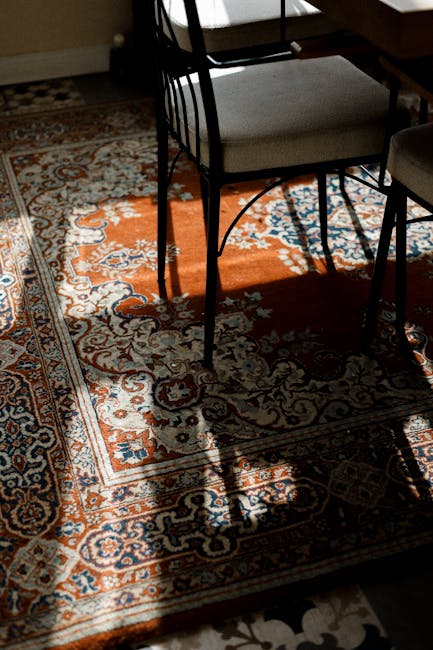
Rug cleaning and stain removal Earl Court West Kensington
Posted on 15/05/2026
If you live in Earl's Court or nearby West Kensington, you already know how quickly a beautiful rug can go from polished to a bit tired-looking. One coffee spill, a muddy shoe print after a wet London afternoon, or a pet accident that seems to appear out of nowhere - and suddenly the room feels off. Rug cleaning and stain removal Earl Court West Kensington is about more than making fibres look brighter. It is about protecting the rug, removing what is sitting in the pile, and stopping a small mark from turning into a permanent one.
This guide walks through how rug cleaning actually works, which stain treatments tend to be safest, what mistakes to avoid, and how to decide whether a rug needs careful spot treatment or a deeper professional clean. If you are also thinking about broader home care, you may find our deep cleaning services in West Kensington and seasonal spring cleaning support useful alongside rug care. Small problem, yes. But not a hopeless one.
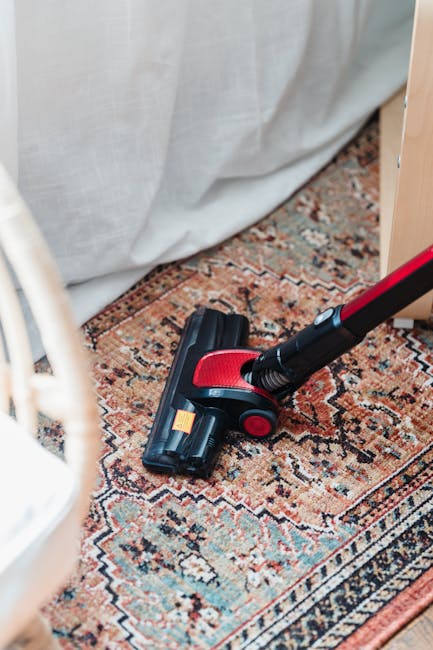
Why Rug cleaning and stain removal Earl Court West Kensington Matters
Rugs do a lot of quiet work in a home. They soften a room, reduce echo, and pull together furniture that might otherwise feel a bit scattered. In a busy flat or family home around Earl's Court and West Kensington, they also take the hit from everyday life: street dust, shoes, crumbs, drink spills, pollen, and the odd bit of London grime that seems to drift indoors whether you invite it or not.
What makes rug care especially important is that stains are rarely just "on the surface". Liquids can sink into the backing, dry unevenly, and leave a mark that keeps reappearing even after a quick scrub. Natural fibres can also be sensitive to heat, agitation, and the wrong cleaning product. So, a casual approach can sometimes make things worse. Annoying, but true.
There is also the hygiene side. A rug that looks fine may still hold dust, allergens, pet dander, and odours deep in the pile. For homes with children, pets, or regular visitors, that matters. A well-cleaned rug feels fresher underfoot, looks more balanced in the room, and tends to last longer before showing wear.
If you are comparing rug care with broader property upkeep, our carpet cleaning in West Kensington page gives a useful overview of how floor textiles are treated differently depending on material and condition.
How Rug cleaning and stain removal Earl Court West Kensington Works
Good rug cleaning starts with identification. Not every rug should be treated the same way. Wool, synthetic fibres, viscose, cotton, jute, and silk all behave differently when moisture or cleaning agents are introduced. The first job is to work out what the rug is made from, what kind of stain is present, and whether there are any colourfastness risks.
In practice, the process usually follows a simple order:
- Inspection - Check fibre type, dye stability, pile direction, wear, and the nature of the stain.
- Dry soil removal - Remove loose grit and dust first. This matters more than people think.
- Targeted stain treatment - Choose a solution matched to the stain, not just the rug.
- Controlled cleaning - Use the least aggressive method that can still do the job properly.
- Rinse or residue removal - Prevent sticky detergent left behind from attracting more dirt.
- Drying and finishing - Dry evenly and reset the pile where possible.
For many rugs, especially decorative ones in living rooms or bedrooms, the safest route is controlled spot treatment rather than saturating the entire piece. Deep wet cleaning can be right in some cases, but only when the rug and stain type support it. If the fibre is delicate or the dye is unstable, less water is usually the smarter choice. To be fair, the right answer is often "it depends" - and that is exactly why proper inspection matters.
Stain removal also works differently depending on what caused the mark. Wine behaves differently from coffee. Grease behaves differently from ink. Pet accidents bring both stain and odour into the picture. A one-size-fits-all cleaner can blur the stain, spread it, or set it deeper. Not ideal.
Key Benefits and Practical Advantages
There are a few clear reasons people invest in professional rug care rather than just masking the problem with a larger piece of furniture.
- Better appearance - Colours look clearer, pattern details show again, and dull patches lift.
- Improved hygiene - Dirt, allergens, and residues are removed more effectively than with surface cleaning alone.
- Longer rug life - Regular cleaning reduces abrasive grit that can wear fibres down over time.
- Odour control - Helpful after pets, spills, damp weather, or long periods of heavy use.
- More consistent room feel - A clean rug changes how the whole space looks and smells, in a subtle but real way.
There is also a practical value that tends to be overlooked: confidence. If you know a rug has been properly treated, you stop worrying about the next tiny spill. That does make a difference in real life. You relax a little. The room feels usable again.
For homeowners, tenants, landlords, and managing agents, rug cleaning can also support presentation before viewings, after a party, or during a move. If that is your situation, our end of tenancy cleaning in West Kensington page may be useful too, especially where floors and soft furnishings need to look presentable together.
Who This Is For and When It Makes Sense
Rug cleaning and stain removal is not just for people dealing with a visible disaster. It is useful for anyone who wants a rug to stay attractive and serviceable.
You may need it if:
- you have just spilled tea, coffee, wine, sauce, ink, or makeup
- you can see traffic lanes or grey patches in high-use areas
- your rug holds a stale smell even after vacuuming
- you live with pets or young children
- you are preparing a property for sale or letting
- you have bought a second-hand rug and want to refresh it
- you notice that the rug feels sticky or rough underfoot
It also makes sense when you are already planning broader home cleaning. A rug that is cleaned but sits in a dusty room will not stay fresh for long. That is why many customers combine this service with domestic cleaning in West Kensington or a one-off refresh via one-off cleaning support. It just works better as part of the bigger picture.
And if your rug is in an office, reception, or shared workspace, the expectations are slightly different. Appearance, smell, and drying time become more critical because footfall is constant. In that setting, even a small mark can make the whole area feel a bit tired.
Step-by-Step Guidance
If you are handling a rug stain at home, the goal is to act carefully and quickly. Speed helps, but panic does not. Here is a practical approach that suits most common situations.
- Blot, do not rub
Use a clean white cloth or paper towel to lift as much of the spill as possible. Press gently. Rubbing can spread the stain and distort the pile. - Check the fibre
Look at the label if there is one. Wool, silk, viscose, synthetic blends, and natural plant fibres all need different treatment. If you are not sure, proceed cautiously. - Test in a hidden area
Apply any cleaning product in a discreet spot first. Wait and see whether the colour changes or the fibres react badly. - Choose the right cleaner
Use a solution appropriate to the stain. A greasy mark often needs a different approach from a tannin stain such as tea or red wine. - Work from the outside in
That helps prevent the stain from spreading into a larger ring. - Use only the amount needed
Too much moisture can soak into the backing and create drying issues or wicking, where a stain resurfaces after drying. - Blot again
Lift residue carefully. Repeat if needed. Patience wins here, honestly. - Dry evenly
Increase airflow in the room, but avoid direct harsh heat. A fan can help. So can opening windows if the weather allows.
One small but important point: if a stain has already dried, do not assume it is impossible to remove. Dried stains are often trickier, yes, but they are not always permanent. What matters is matching the method to the stain type and the rug material. Sometimes the real problem is not the stain itself but the residue left behind from earlier attempts.
If the rug is valuable, antique, hand-knotted, or made from a sensitive fibre, it may be worth seeking professional advice before doing anything at home. That extra caution can save a lot of regret. And regret is expensive in rug terms.
Expert Tips for Better Results
Here is where a few practical habits can make a real difference.
- Deal with spills quickly - Fresh stains are almost always easier than old ones.
- Always blot with white cloths - Coloured cloths can transfer dye. It happens.
- Vacuum before spot cleaning - Loose grit can grind into fibres when you start working on the stain.
- Mind the backing - Too much liquid can cause odour, browning, or rippling underneath.
- Use ventilation - Especially in smaller London flats where drying can otherwise feel painfully slow.
- Rotate rugs occasionally - It evens out wear and sun exposure.
- Keep shoes off high-value rugs - Simple, but effective.
A helpful rule of thumb is this: the older, more delicate, or more expensive the rug, the less adventurous you should be. That sounds obvious, yet people sometimes try a strong household cleaner on a family heirloom because the stain is annoying them. Understandable. Still a bad idea.
If you want a broader upkeep routine, our house cleaning in West Kensington service and services overview can help you think about rug care as part of a regular home maintenance cycle rather than a one-off panic fix.

Common Mistakes to Avoid
Most rug damage during stain removal happens because someone tries to fix the problem too aggressively. Truth be told, that is usually where the trouble starts.
- Scrubbing hard - This frays fibres and pushes the stain deeper.
- Using too much water - Excess moisture can create mould risk, odour, or browning.
- Mixing products - Combining cleaners can create unpredictable reactions and residue.
- Using bleach or strong chemicals casually - These can strip colour or damage delicate fibres.
- Ignoring the stain type - Ink, grease, tannins, and pet stains need different approaches.
- Leaving detergent behind - Sticky residue attracts new dirt faster than you would expect.
- Drying too slowly - Long damp periods can cause odour and uneven marks.
Another mistake is assuming one cleaning pass will always solve everything. Some stains improve in stages. A professional might do a first pass, inspect the result, then refine the treatment. That careful approach is often better than forcing the issue in one go.
If the rug has sentimental value, stop earlier rather than later. A slightly visible mark is usually better than a damaged patch, and yes, that can be a hard call in the moment.
Tools, Resources and Recommendations
You do not need a cupboard full of specialist products to care for a rug properly. In many cases, the most useful tools are simple.
| Tool or product | Best use | Notes |
|---|---|---|
| White absorbent cloths | Blotting spills and lifting residue | Choose lint-free if possible |
| Vacuum with adjustable settings | Removing dry soil before treatment | Use gentle suction on delicate pile |
| Soft-bristled brush | Light pile lifting after cleaning | Avoid aggressive brushing |
| pH-balanced cleaner | General safe maintenance cleaning | Check suitability for fibre type |
| Fan or airflow support | Speeding up drying | Useful in humid weather or small rooms |
For readers considering professional help, it is worth looking at a company's insurance and safety information, especially for valuable rugs or work in occupied homes. You may also want to review pricing and quotes before booking so you understand how the job is assessed.
If you are comparing services beyond rugs alone, upholstery cleaning in West Kensington can be a sensible add-on, particularly after a spill that affected both a rug and nearby seating. The room ends up looking more consistent, not patchy.
Law, Compliance, Standards, or Best Practice
For rug cleaning, the most relevant "compliance" point is usually not a law about rugs themselves, but safe and responsible working practice. In the UK, that generally means using products properly, handling chemicals carefully, respecting ventilation, and paying attention to slip hazards while floors dry. If cleaning is being done in an occupied home or business, that matters a lot.
Good practice also includes checking whether a rug may be valuable, fragile, antique, or irreplaceable before any cleaning method is chosen. A cautious, documented approach is sensible. If a service provider is working in your property, it is fair to expect clear communication about what they will do, what they will not do, and any likely risk to delicate fibres or dyes.
For businesses and landlords, keeping a straightforward record of cleaning dates and stain treatments can be useful. Not because it is glamorous - far from it - but because it helps with handovers, maintenance planning, and accountability.
You can also learn more about the company's standards through pages such as health and safety policy, terms and conditions, and about us. Those details are useful when you want to know who you are dealing with and how they operate.
Options, Methods, or Comparison Table
Different rugs and stains call for different approaches. This table gives a simple overview of the main options.
| Method | Best for | Advantages | Watch-outs |
|---|---|---|---|
| Spot cleaning | Fresh localised stains | Fast, targeted, low moisture | Can fail if the stain is deep or old |
| Dry soil removal plus hand treatment | Everyday dirt and mixed surface staining | Gentle and controlled | May take several passes |
| Low-moisture professional cleaning | Delicate or valuable rugs | Reduced drying time, less saturation | Not suitable for every stain |
| Deep wash or immersion-style treatment | Durable rugs with heavy soiling | Can be thorough for the right rug | Higher risk for sensitive dyes or backings |
For most household situations, a measured approach is best. Not too little, not too much. If a rug is a statement piece in the room, or if it has hand-made character, a gentler method usually wins. In our experience, people often want the stain removed immediately, but the safer route is often the one that preserves the rug long term.
Case Study or Real-World Example
Here is a realistic scenario. A resident near Earl's Court notices a dark tea spill on a wool rug after breakfast. The spill happened on a weekday morning, and the room still has that half-awake, kettle-and-toast feeling. They blot the area, then stop and leave it rather than rubbing it in with kitchen towel and determination. Good move.
By the time the stain is assessed, it has started to dry at the edges but not fully set through the pile. A careful treatment is chosen that suits wool rather than a stronger general cleaner. The cleaner is applied lightly, the stain is lifted in stages, and the area is allowed to dry with airflow. The mark fades significantly, and the fibres are reshaped once dry so the patch does not stand out.
The useful lesson here is not that every stain disappears completely. Sometimes they do, sometimes they improve a lot, and sometimes a faint trace remains. The real win is stopping the stain from getting worse and avoiding damage from over-treatment. That balance matters. A lot more than people think.
This kind of targeted care is also why residents planning a wider refresh sometimes combine rug cleaning with a one-off clean in West Kensington or, where suitable, a broader spring clean before guests, lettings, or a change of season.
Practical Checklist
Use this quick checklist before you start treating a rug stain:
- Identify the stain as best you can.
- Check the rug fibre and backing if possible.
- Blot up excess liquid straight away.
- Vacuum loose dirt before any wet treatment.
- Test a cleaner in a hidden spot.
- Use the mildest method that can work.
- Avoid scrubbing or soaking.
- Dry the rug thoroughly and evenly.
- Inspect the result in daylight if possible.
- Call for professional help if the rug is delicate, valuable, or still staining after treatment.
If you are planning to combine rug work with wider household care, it is worth looking at contact options or requesting a tailored assessment through the quote page. A quick conversation can save time later.
Conclusion
Rug cleaning and stain removal Earl Court West Kensington is really about preserving the look, feel, and lifespan of something that shapes your room every single day. A good rug can warm a flat, settle a living space, and quietly make everything look more considered. When a stain appears, the best result usually comes from careful identification, the right method, and a calm approach rather than a rushed fix.
Whether you are dealing with a fresh spill, an older mark, or a rug that simply needs a proper refresh, the smartest next step is to match the treatment to the material and the stain. That sounds simple, but it is the bit that saves people the most trouble. And once the rug is clean again, the whole room tends to breathe easier. You notice it straight away.
Get a free quote today and see how much you can save.