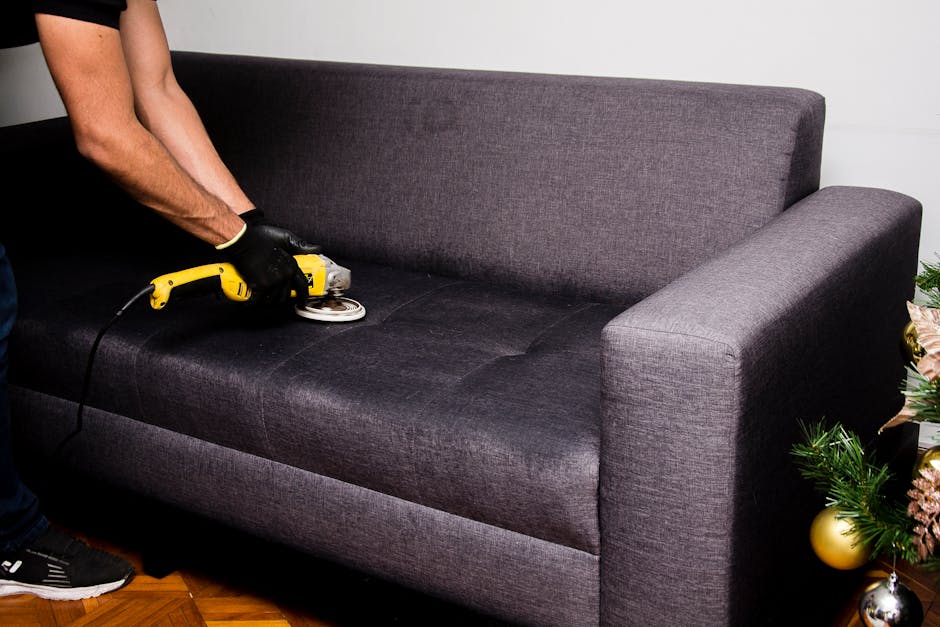
Upholstery cleaning Kensington High Street specialists
Posted on 07/05/2026
Upholstery cleaning Kensington High Street specialists: a practical local guide to cleaner, longer-lasting furniture
If your sofa has started to look a bit tired, or your dining chairs are hiding the aftermath of one too many busy evenings, you are in the right place. Upholstery cleaning Kensington High Street specialists are the people you call when ordinary vacuuming stops being enough and you need fabric care that is careful, targeted, and suited to real homes and workplaces in central London. In a busy area like Kensington High Street, where foot traffic, dust, spills, and day-to-day wear build up quietly, proper upholstery cleaning can make a surprisingly big difference.
Done well, it does more than freshen a room. It helps protect fabric, reduce odours, lift embedded dirt, and keep furniture looking presentable for longer. Done badly, it can leave water marks, sticky residue, or a piece that takes far too long to dry. So, let's break it down properly.
This guide explains what professional upholstery cleaning involves, when it makes sense, what to look for in a specialist, and how to get the best results without the guesswork. If you are also thinking about a broader property refresh, you may find our services overview useful, and for a full home reset, there is a practical guide to deep cleaning in West Kensington.

Why Upholstery cleaning Kensington High Street specialists Matters
Upholstery is one of those household items that quietly absorbs everything. Dust settles into fibres, oils transfer from skin and hair, food crumbs drift into the seams, and everyday life leaves its mark. A sofa can look "fine" for months and still hold a fair amount of hidden soil. That is especially true in and around Kensington High Street, where homes, flats, offices, and hospitality spaces often see heavier day-to-day use than people realise.
Specialist upholstery cleaning matters because different fabrics behave differently. A velvet armchair, a wool blend sofa, and a synthetic office chair all need different handling. The right approach depends on the fibre type, construction, dye stability, and the condition of the item. A one-size-fits-all clean? Honestly, that is where problems start.
There is also a practical side that people sometimes overlook. Clean upholstery can improve the feel of a room instantly, reduce lingering odours from pets or cooking, and make furniture more comfortable to use. If you have guests coming, are preparing a property for sale, or simply want your home to feel fresher, the effect is immediate and quite satisfying.
For local readers thinking beyond the sofa, our spring cleaning service in West Kensington is often a good companion service when the whole property needs attention, not just one item.
Expert summary: The best upholstery cleaning is not about making fabric look wet and new for five minutes. It is about removing soil safely, preserving texture, and leaving the item in better shape for the long run.
How Upholstery cleaning Kensington High Street specialists Works
A professional upholstery clean usually starts with identification. The cleaner checks the fabric type, colourfastness, visible staining, seam condition, and any manufacturer care labels. This first step matters more than people think. A fabric marked with a solvent-only code should not be treated like a robust synthetic chair, no matter how tempting it is to "just give it a go".
From there, the process is usually built around a few stages:
- Inspection and testing - a small, discreet test spot helps confirm how the fabric reacts to the chosen solution.
- Dry soil removal - vacuuming lifts loose dust, grit, pet hair, and crumbs from the surface and seams.
- Pre-treatment - stains and high-traffic areas receive a suitable cleaning product to loosen embedded grime.
- Agitation - gentle brushing or fabric-safe agitation helps the solution penetrate fibres evenly.
- Extraction or controlled cleaning - depending on the method, dirt is removed with minimal moisture or through careful hot water extraction.
- Finishing and drying - the cleaner checks for residue, evens out the fabric pile where needed, and advises on drying time.
In most cases, the aim is to use the least amount of moisture necessary. That sounds obvious, but it is where a lot of DIY attempts go wrong. Too much water can spread staining, push dirt deeper, or leave the furniture damp for far too long. In a London flat, where ventilation may not be amazing, that can become a nuisance very quickly.
The right method depends on the item. Some pieces respond beautifully to low-moisture or dry-cleaning techniques. Others need deeper extraction. A trained technician should be able to explain why one method suits a velvet loveseat while another is better for a fabric office sofa. If they cannot explain it simply, fair enough to keep asking.
Key Benefits and Practical Advantages
When upholstery is cleaned properly, the results are not just cosmetic. Yes, the room looks better, but there is usually more going on beneath the surface.
- Cleaner-looking furniture - visible dirt, dull patches, and everyday marks are reduced.
- Improved comfort - fabrics feel fresher and less clingy, especially on frequently used seating.
- Odour reduction - lingering smells from pets, food, smoke, or general use are tackled at source.
- Longer fabric life - dirt acts like sandpaper in fibres; removing it can help slow wear.
- Better hygiene - upholstery can hold dust and allergens, so cleaning helps create a more pleasant environment.
- Better presentation - useful for rentals, sales, offices, showrooms, and guest-facing spaces.
There is a small but real emotional benefit too. A freshly cleaned sofa changes the whole mood of a room. The space feels looked after. Less grubby, more intentional. You notice it when you sit down with a cup of tea in the evening and the room just feels calmer. Simple as that.
For landlords and letting agents, this can be especially useful alongside end of tenancy cleaning in West Kensington. For homeowners, it often sits naturally next to house cleaning in West Kensington or occasional one-off cleaning when life has got a bit too busy.
Who This Is For and When It Makes Sense
Upholstery cleaning is not just for "obvious" mess. In fact, some of the best time to book it is before the furniture looks dramatically dirty. That is the whole point of maintenance, really.
This service is a good fit if you are:
- a homeowner wanting to refresh a favourite sofa or armchair;
- a tenant preparing for checkout or trying to avoid avoidable deductions;
- a landlord or agent getting a flat ready for new occupants;
- a family dealing with spills, snack crumbs, pet hair, or general daily wear;
- an office manager trying to keep reception seating presentable;
- a cafe, studio, or guest space owner where first impressions matter;
- someone with allergies who wants a cleaner living environment;
- anyone who has bought second-hand furniture and wants it properly refreshed.
It also makes sense after life events. A house move, a renovation, a party, a long stretch of cold weather with windows shut, or a burst of family visits can all leave upholstery looking and smelling a bit off. If you are planning a wider move or refresh, the local background guides on buying or selling a home in Kensington and the Kensington property market can help put cleaning into a broader property plan.
And yes, sometimes the need is simpler than all that. You spilled red wine. The dog had a moment. Someone used the armrest as a chip tray. It happens.
Step-by-Step Guidance
If you have never booked upholstery cleaning before, the process is usually straightforward. A good specialist keeps it that way.
1. Identify the item and the fabric
Start by noting what the piece is made from, whether there is a care label, and what kind of problem you are dealing with. Fresh food stains, grease, pet odours, and general dullness all call for slightly different handling.
2. Ask about the method
Don't be shy here. Ask whether the cleaner intends to use hot water extraction, low-moisture cleaning, dry cleaning, or a combination. A proper answer should be clear and calm, not vague. The method should match the fabric, not the other way around.
3. Check for fabric risks
Some materials are more delicate than others. Cotton blends, silk-like fabrics, and some vintage coverings may react badly to excess moisture or strong chemicals. A good cleaner will say so before starting.
4. Prepare the area
Move cushions, clear small items, and make sure the cleaner has enough access. If the piece is in a tight corner or a basement room, mention it in advance. It saves time and avoids awkward lifting later.
5. Allow for proper drying
Drying time depends on the method used, the room temperature, airflow, and the fabric itself. Open windows if safe to do so, and avoid sitting on the furniture too soon. That damp-warm upholstery smell is nobody's favourite.
6. Follow aftercare advice
Aftercare may include light vacuuming, keeping pets off the item for a while, or using a fabric protector if appropriate. A few simple steps can make the results last noticeably longer.
If you want a deeper understanding of how care is delivered across different domestic spaces, our domestic cleaning in West Kensington page is a helpful companion read.
Expert Tips for Better Results
These are the small things that make a big difference. Nothing flashy. Just the practical bits that experienced cleaners tend to care about.
- Act quickly on fresh spills. Blot, don't rub. Rubbing pushes the stain deeper and can rough up the pile.
- Keep a note of the fabric label. If you still have the manufacturer details, great. It helps the cleaner choose the right method.
- Vacuum regularly. It sounds basic, but dry soil removal is one of the easiest ways to prolong upholstery life.
- Be honest about the stain history. If you have already used a supermarket spray or washing-up liquid, say so. Chemical residues can affect the result.
- Think about room conditions. A warm, well-ventilated room makes drying easier. In winter, things can take longer.
- Choose prevention where sensible. Fabric protection, throws on heavy-use zones, and a no-food rule on the main sofa can all help.
Here is a small but useful truth: many upholstery issues are not dramatic at first. They creep up. A patch of dullness near the armrest. A faint smell after rain. A shade difference where people always sit. Catching those signs early usually gives you better results and, often, a less stressful clean.
If you are comparing services, you may also want to read about upholstery cleaning in West Kensington as part of a wider local fabric care plan. It helps set expectations and makes it easier to ask the right questions.
Common Mistakes to Avoid
Most upholstery damage I see in practice is not from dirt. It is from the wrong attempt to remove the dirt. Slightly annoying, but true.
- Using too much water. Over-wetting can leave rings, lengthen drying time, and sometimes cause odours to linger.
- Scrubbing hard. This can distort fibres and spread stains over a larger area.
- Ignoring the care label. It is there for a reason, even if it looks annoyingly small and tucked away.
- Applying random household products. Vinegar, bleach, and mystery sprays are not magic fixes.
- Skipping a test patch. Colour loss and fibre damage are avoidable if the cleaner checks first.
- Expecting instant dryness. Some items need time, airflow, and patience.
- Choosing based only on price. Cheaper is not always cheaper if the upholstery is damaged or not properly cleaned.
One of the easiest mistakes to make is assuming every stain is a stain in the same sense. Food grease behaves differently from tannin, ink, pet urine, or body oils. Different stain, different approach. That is where experience really shows.
Tools, Resources and Recommendations
Professional upholstery cleaners use specialist equipment, but it helps to know what is typically involved. You do not need to become an expert yourself; just enough to judge quality and ask useful questions.
| Tool or material | What it is used for | What to look for |
|---|---|---|
| Upholstery vacuum attachments | Removing dry soil from seams, creases, and cushions | Gentle suction and a clean brush head |
| Fabric-safe pre-spray | Loosening embedded dirt before cleaning | Chosen for the specific fabric type |
| Microfibre cloths | Controlled blotting and finishing | Clean, lint-free cloths |
| Extraction or low-moisture machine | Removing dissolved soil and residue | Appropriate for the item and fabric |
| Fabric protector, where suitable | Helping reduce future staining | Used only when sensible for the material |
For practical next steps, the most useful resources are usually the service pages and the company's trust information. If you are checking who you are inviting into your home or workplace, it is sensible to look at the company's about us page, review their insurance and safety details, and check payment and security information before booking.
For pricing questions, their pricing and quotes page is a good place to start. And if you prefer to talk to someone directly, the contact page or request a quote form makes the next step very straightforward.
Law, Compliance, Standards, or Best Practice
Upholstery cleaning is not usually a heavily regulated service in the way that some trades are, but that does not mean standards do not matter. In the UK, reputable providers should still operate with sensible health and safety practices, proper insurance, and clear communication about what is and is not included.
A few best-practice points are worth keeping in mind:
- Risk assessment: technicians should consider slip risks, electrical equipment, access limitations, and fabric sensitivity.
- Safe product handling: cleaning solutions should be used according to manufacturer guidance and kept away from children and pets during use.
- Transparency: a trustworthy provider should explain likely results without promising miracles on every stain.
- Insurance: public liability and similar cover are reassuring when work is being done inside someone's property.
- Data and privacy: if you make an online enquiry, it is normal to expect a clear privacy notice and sensible handling of your details.
If you want to see how a company frames these responsibilities, pages like health and safety policy, privacy policy, and terms and conditions help you understand their standards. It is not glamorous reading, granted, but it does matter.
For businesses and landlords, good practice also means planning upholstery care alongside broader cleaning schedules. A reception sofa in an office, for example, may need more regular attention than a spare bedroom chair. Different use, different rhythm.
Options, Methods, or Comparison Table
There is no single best method for every piece of upholstery. The right choice depends on fabric, soil level, sensitivity, and drying needs. Below is a simple comparison to help you think it through.
| Method | Best for | Advantages | Possible limitations |
|---|---|---|---|
| Hot water extraction | Durable synthetic upholstery, deep soil, heavier use items | Thorough cleaning, strong soil removal | May require longer drying time; not ideal for delicate fabrics |
| Low-moisture cleaning | Routine refreshes, busy homes, some commercial seating | Faster drying, less disruption | May be less aggressive on ingrained staining |
| Dry cleaning / solvent-based methods | Delicate fabrics and items that cannot tolerate much water | Gentler on moisture-sensitive materials | Needs correct product choice and careful handling |
| Spot treatment only | Small, isolated marks | Quick for minor incidents | Not suitable for general soiling or odour build-up |
In practice, many jobs are a combination. A cleaner may vacuum, pre-treat, use a controlled cleaning method, and then finish with specific stain work. That flexibility is often a sign of experience rather than indecision.
For readers managing broader property changes, the local blog posts on party places in Kensington and lesser-known Kensington gems are not cleaning guides, of course, but they do show how varied local homes and lifestyles can be. That matters when choosing a cleaning approach.
Case Study or Real-World Example
Picture a typical flat just off Kensington High Street. The main sofa sits near a window, gets afternoon light, and has seen years of everyday use. Nothing dramatic. No huge spill. Just slow build-up: faint hand marks on the arms, a darker seating area, a bit of pet odour, and that slightly flat look upholstery gets when it has held on to too much dust.
The owner had been wiping it with a damp cloth now and then, which is understandable, but not enough. The cloth only dealt with the surface, and in some areas it actually spread grime around the weave. A specialist would usually start with dry vacuuming, then test the fabric, then use a method that suits the fibre and the existing wear. In a case like this, the difference after cleaning is often subtle at first and then suddenly obvious once the room dries. The sofa looks lighter. The room smells fresher. The fabric sits better.
That sort of result is common when the item is treated carefully. Not perfect-new, because that is not realistic. But noticeably improved, and often enough to extend the furniture's useful life by a fair margin. A good outcome, frankly.
If a property is being prepared for sale or new tenants, upholstery can be part of a bigger presentation plan. In that context, it may sit alongside a carpet clean in West Kensington or a broader office cleaning service if the furniture is in a work environment.
Practical Checklist
Use this simple checklist before booking upholstery cleaning.
- Identify the item and note the fabric type if possible.
- Check for visible stains, odours, pet hair, or heavy wear areas.
- Look for a care label or manufacturer guidance.
- Ask which cleaning method is recommended and why.
- Confirm whether a test patch will be carried out.
- Ask about estimated drying time and what affects it.
- Clarify what is included in the quote.
- Check insurance and safety information before anyone starts work.
- Make access easy and move small items out of the way.
- Plan a few hours of low use after cleaning, just in case.
If you prefer to compare services first, the wider one-off cleaning and spring cleaning pages can help you decide whether your upholstery clean should be part of a larger visit. Sometimes it just makes sense to do it all at once.
Get a free quote today and see how much you can save.
Conclusion
Upholstery cleaning Kensington High Street specialists are there to do something very specific, but very useful: clean fabric furniture in a way that suits the material, protects the item, and leaves your space feeling properly refreshed. The best service is careful, not rushed. It explains the method, respects the fabric, and gives you realistic expectations. That is what people usually want, after all.
Whether you are trying to revive a favourite sofa, prepare a property for sale, keep an office reception area presentable, or just deal with the steady accumulation of real life, specialist upholstery cleaning is a smart, practical move. And if you take a little time to choose the right provider, the results can be genuinely satisfying. A cleaner room. A fresher feel. One less thing hanging over you. Not bad for an afternoon's work.
When you are ready, a quick enquiry is often all it takes to get things moving. If you have questions, start with the contact page, or request a tailored quote and see what suits your furniture best.
Sometimes the simplest upgrades are the ones you notice every single day.