Holland Park deep cleaning for period homes Kensington
Posted on 05/06/2026
Holland Park deep cleaning for period homes Kensington: a practical guide to doing it properly
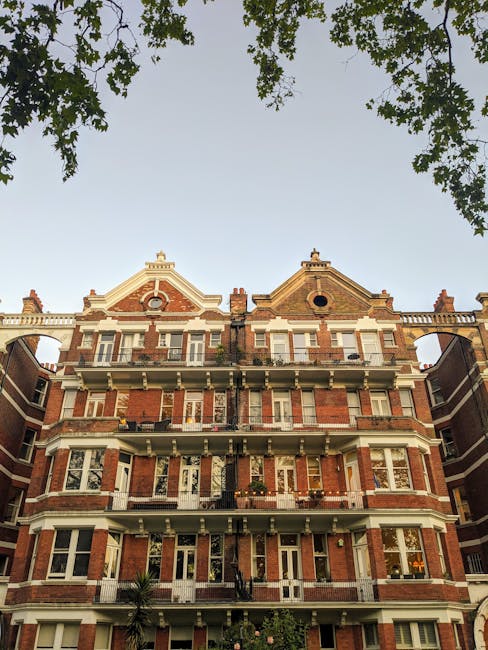
Period homes in and around Holland Park have a certain character you can feel the moment you step through the door: old timber, higher ceilings, original mouldings, maybe a sash window that sticks a little on damp mornings. They are beautiful, but they are also less forgiving than newer properties. Dust settles in awkward joins, fireplaces collect soot, and older finishes need a gentler, more thoughtful approach. That is exactly why Holland Park deep cleaning for period homes Kensington is not just another domestic cleaning job. It is a careful reset for a home with history.
If you are trying to decide what deep cleaning should include, how to protect delicate surfaces, or whether it is worth bringing in professional help, this guide walks through the practical side without the fluff. You will find what matters most, what to avoid, and how to get results that feel genuinely fresh rather than just superficially tidy. And yes, we will keep it real. A lot of older Kensington homes need more than a quick once-over with a vacuum and a hopeful spray bottle.
For broader service context, you may also find our deep cleaning service overview useful, especially if you want to compare a one-off refresh with a more routine plan. If your property also needs soft furnishings or pile care, our related upholstery cleaning service and carpet cleaning service pages are worth a look too.

Why Holland Park deep cleaning for period homes Kensington matters
Period homes are not difficult because they are old. They are difficult because they are varied. A Victorian terrace, a late Georgian conversion, and an Edwardian mansion flat can all live under the same "period home" umbrella, yet each has different materials, access points, and vulnerabilities. That matters when you are planning a deep clean.
In Holland Park and nearby Kensington streets, homes often include original woodwork, decorative plaster, older stone or tiled fireplaces, brass fittings, layered paint finishes, and floorboards that have already seen a few decades of life. These features can look wonderful, but they also trap grime in places modern homes simply do not. Cornices collect dust. Window tracks get clogged. Skirting boards hold on to residue. Kitchens and bathrooms, especially in older layouts, can have hidden corners where grease or limescale settles quietly over time.
A proper deep clean helps because it does three things at once: it removes built-up dirt, reduces the risk of damage caused by the wrong products, and gives you a clearer view of any maintenance issues that were hidden by surface clutter. Truth be told, that last point is often the most valuable. Once a home is properly cleaned, you can see where repainting, seal repair, or a little restoration work might be needed.
There is also a lifestyle side to it. Many people in this part of Kensington use deep cleaning before a move, after renovation dust, after hosting, or simply at the start of a new season. If you want a wider refresh rather than a one-off room clean, our spring cleaning support in West Kensington may also be relevant, especially if your period property needs a full-home reset rather than a single focus area.
Expert summary: In period homes, deep cleaning is less about brute force and more about control: the right method, the right order, and the right level of moisture, pressure, and product for each surface.
How Holland Park deep cleaning for period homes Kensington works
A serious deep clean is usually built around inspection, preparation, detailed cleaning, and final checks. Sounds straightforward. In practice, the sequence matters a lot, especially in older properties where one careless step can leave streaks, swelling, or dull patches on sensitive surfaces.
1. Initial inspection and planning
The first step is identifying what the property actually contains. Not every "wood" surface is the same. Not every "stone" surface can handle the same cleaner. A professional will usually look at high-touch zones, material types, stain risks, access, and any areas that need extra protection. In a Holland Park house, that may include period joinery, ornate radiators, fireplaces, bay windows, stair rails, and delicate wallpaper or paint.
2. Dry soil removal
Before any wet cleaning starts, loose dirt needs to come out. That means vacuuming skirtings, edges, vents, upholstery seams, window sills, and the tops of mouldings. It is boring work, yes, but this is where a lot of the success comes from. If you skip the dry stage, you often end up smearing grime instead of removing it.
3. Surface-by-surface treatment
Once the dry debris is lifted, each area is cleaned according to its material. Kitchens may need degreasing, bathrooms may need limescale treatment, doors and frames may need delicate wiping, and soft furnishings may need fabric-safe extraction or specialist shampooing. For rugs and patterned carpets, a more careful spot approach is often better than anything aggressive. Our rug cleaning and stain removal guide is useful if you are dealing with stubborn fibres or a favourite piece that has seen a few too many dinner parties.
4. Detail work in the awkward places
This is where deep cleaning earns its name. Think behind radiators, around plug sockets, along picture rails, inside cupboards, under heavy furniture, and where dust likes to hide. The awkward places are often the ones that make a house feel tired. A room can look fine at first glance and still feel dusty because these neglected edges are carrying the story of the last six months.
5. Finishing checks
The final stage is a slow review. Streaks are checked, residue is removed, and any missed patches are corrected. For older homes, this step matters because surfaces can dry differently depending on the light, the finish, and the age of the material. Morning light through a sash window will show up a wipe mark instantly. Annoying? A bit. Useful? Absolutely.
Key benefits and practical advantages
A well-done deep clean does more than make a property look nicer for the weekend. In a period home, the benefits are often practical and long-lasting.
- Better preservation of original features: Gentle, correct cleaning helps protect wood, plaster, stone, and fabric finishes.
- Improved air quality feel: Removing settled dust from high surfaces, soft furnishings, and hidden corners makes rooms feel cleaner and lighter.
- More accurate maintenance planning: Once grime is removed, you can spot problems like worn sealant, marked paint, or damaged grout.
- Improved presentation: Period homes can look exceptional after proper detailing, especially if you are preparing for guests, tenants, or photos.
- Reduced cleaning load later: A deep clean creates a better baseline, so routine upkeep becomes easier. That is the bit people usually notice a month later.
There is also a financial angle, even if we should not overstate it. Cleaner surfaces tend to last better when they are maintained correctly. Furniture, rugs, and flooring in older Kensington homes can be expensive to replace. A cautious, informed deep clean is a sensible way to extend the life of the things you already own.
If you are comparing one-off support with ongoing help, our one-off cleaning option and domestic cleaning service can help you judge what level of support suits your home best.
Who this is for and when it makes sense
Not every home needs the same level of attention, and not every month needs a deep clean. The best time to book one is usually when normal cleaning no longer feels enough. You know the feeling: the rooms are not dirty exactly, but they do not feel properly fresh either.
This kind of service makes sense for:
- owners of period homes with original features that need careful handling
- landlords preparing a Kensington property between occupants
- tenants moving out of a character flat or maisonette
- homeowners after builders, decorators, or refurbishment work
- families dealing with heavy everyday use and a lot of foot traffic
- hosts preparing for guests, events, or long-stay visitors
- buyers or sellers who want the property to present at its best before viewings
It is also a smart move if your home includes pets, lots of textiles, or older rooms that collect soot, dust, and cooking residue more quickly than you expected. Period properties can be charming and slightly high-maintenance. Let's face it, they often are.
For people thinking about moving in or out, this often sits alongside property planning. Our article on the Kensington home transaction guide may be helpful if you want to understand the wider move timeline. If you are just getting to know the neighbourhood, the Kensington resident review gives a useful feel for day-to-day living in the area.
Step-by-step guidance
If you want to manage parts of the deep clean yourself, or simply understand what a good service should include, this step-by-step outline will help.
- Declutter first. Remove loose items, paperwork, small decor, and anything fragile from surfaces. This is dull but essential. Cleaning around clutter is like trying to iron a shirt while it is still on the hanger.
- Protect delicate features. Cover or isolate items that should not get wet, including electrical fittings, untreated wood, and sensitive fabrics.
- Work from top to bottom. Start with ceilings, cornices, and high shelving, then move down to walls, furniture, and floors. Gravity is not your friend here.
- Use the right product for each surface. Timber, stone, marble, brass, upholstery, and painted finishes all need different care. A "universal cleaner" is not actually universal.
- Clean one room at a time. This keeps the job manageable and avoids missed areas.
- Pay attention to moisture. Older homes can react badly to too much water. Damp patches in timber or plaster are nobody's idea of fun.
- Detail the edges. Skirting boards, frames, handles, thresholds, vents, and light switches make a huge difference to the final feel.
- Finish with flooring and soft furnishings. Vacuum thoroughly, treat stains carefully, and make sure carpets or rugs are dry and aired properly if they have been cleaned wet.
- Review in natural light. A room may look clean under artificial light and still show marks by the window the next morning.
A simple rule helps: if a product or method feels too harsh for a surface, it probably is. In period homes, restraint is often the better skill.
Expert tips for better results
Here are a few practical things that make a noticeable difference in older Kensington homes.
- Test in a hidden area first. This is especially important on old paint, brass, stone, or fabric. A small patch test can save a lot of regret.
- Control ventilation. Open windows where possible, but avoid creating a draught that spreads dust around while you are still working.
- Use microfibre carefully. It is excellent for dust and light soil, but on fragile finishes it should be clean and only lightly damp, not soaked.
- Do not rush fireplaces and surrounds. These are often the visual centre of a period room, so a sloppy clean there stands out immediately.
- Work on textiles separately. Curtains, cushions, mattresses, and upholstery should be handled with fabric-appropriate methods rather than a one-size-fits-all spray.
- Keep a regular baseline. A deep clean lasts longer if you maintain it with lighter weekly care. Otherwise the house quietly drifts back to "nearly there".
A small but important observation: many period homes in Holland Park look far better after careful detail work than after heavy scrubbing. That is because the architecture itself does a lot of the visual work. Clean the edges and the room suddenly breathes.
If furniture or fabric is part of the problem, our local upholstery cleaning service may be a sensible add-on. And if your rooms are feeling a bit worn underfoot, the related carpet cleaning advice for the station area offers extra context on tackling everyday dirt in busy homes.
Common mistakes to avoid
Most problems in period-home deep cleaning come from enthusiasm outpacing judgment. A bit harsh, maybe, but true.
- Using too much water on older materials. Timber, plaster, and some decorative finishes can stain, warp, or degrade.
- Applying bleach or strong chemicals without checking compatibility. Not all stains need a heavy-duty answer, and some finishes are sensitive to it.
- Forgetting hidden dust traps. Tops of doors, curtain rails, picture rails, and radiator backs are easy to miss.
- Cleaning from bottom to top. This just spreads soil back over areas you already did. Frustrating and avoidable.
- Ignoring drying time. A surface that is technically cleaned but still damp can pick up more dirt or smell musty later.
- Scrubbing stains blindly. You can spread a stain deeper into fibres or polish away the finish on an older surface. Not ideal.
- Skipping safety checks. When moving furniture or reaching height, use proper care. Old homes have awkward stairs, tight landings, and the occasional uneven floorboard.
If a house has recently hosted a large event, the aftermath can be surprisingly wide-ranging: sticky floors, cloudy glass, fabric marks, and a kitchen that somehow feels tired by 9 a.m. the next day. For homes recovering from entertaining, our Kensington party places guide is a fun read, but the more useful bit here is simple: plan a post-event clean before the mess settles in.
Tools, resources and recommendations
You do not need a warehouse of equipment to deep clean a period home well. What you do need is the right combination of tools, patience, and the willingness to slow down around delicate details.
| Area | Useful tools | Notes for period homes |
|---|---|---|
| Dusting and detail work | Microfibre cloths, soft brushes, vacuum with attachments | Gentle tools reduce abrasion on paint, wood, and mouldings |
| Kitchen degreasing | Non-abrasive cleaners, cloths, scraper used carefully | Test before applying near older finishes or decorative trims |
| Bathroom scale removal | Fabric-safe and surface-safe descalers, soft pads | Avoid overuse around stone and metal fittings |
| Upholstery and rugs | Fabric-safe spot cleaners, extraction equipment where suitable | Always check fibre type and colour fastness first |
| Floors and skirting | Vacuum, mop with controlled moisture, edge tools | Less water is usually better in older rooms |
For homeowners comparing services, it helps to think in layers. General house cleaning, one-off refreshes, deep cleaning, and specialist carpet or upholstery care are related but not identical. If you are weighing options, our services overview and house cleaning service can help you match the job to the right level of support.
You may also want to read up on the company background before booking, especially if you care about process and trust. The about us page, insurance and safety information, and health and safety policy are sensible places to check.
Law, compliance, standards and best practice
For domestic cleaning in the UK, there is not a single special law for "period home deep cleaning," but there are still important best-practice expectations around safety, chemicals, access, and fair treatment of property. If you are hiring a provider, it is sensible to look for clear insurance, transparent terms, and a reasonable complaints process. That is basic professionalism, really.
Good practice typically includes:
- using cleaning methods that are suitable for the material being treated
- carrying out safe manual handling when moving furniture or equipment
- following product instructions and avoiding unsafe chemical mixing
- respecting the property, contents, and any access instructions
- being clear about what is included and what is not included
- protecting privacy and personal belongings while working in the home
If you want reassurance before booking, it can help to review service terms and practical policies. These pages are usually the best place to understand the framework around the work: terms and conditions, privacy policy, payment and security, complaints procedure, and accessibility statement.
For some properties, especially if they are being prepared for sale or let, cleaning sits alongside broader market timing. Our Kensington property market guide can add useful context if you are trying to time a refresh before viewings. And if you are interested in the neighbourhood itself, the article on lesser-known Kensington gems is a nice detour when you have five minutes.
Options, methods and comparison table
Not every property needs the same approach. Below is a practical comparison of common cleaning choices for period homes.
| Method | Best for | Strengths | Limitations |
|---|---|---|---|
| Routine domestic cleaning | Keeping a lived-in home under control | Good for weekly upkeep, lower cost, easy to maintain | Usually not enough for built-up dirt or detailed refreshes |
| One-off cleaning | Short-term resets, guest prep, post-gap refresh | Flexible and convenient | May not include the same level of detail as a true deep clean |
| Deep cleaning | Built-up grime, neglected corners, seasonal refreshes | Thorough, detail-led, better for period features | Takes longer and needs more planning |
| Specialist carpet or upholstery cleaning | Stains, odours, worn soft furnishings | Targets fabrics directly and can improve appearance significantly | Not a substitute for whole-home cleaning |
In a lot of Holland Park homes, the best answer is a combination. For example, a deep clean might be paired with carpet treatment in the sitting room and upholstery care in the principal bedroom. That layered approach is often more effective than trying to solve everything with one technique. A little boring, maybe, but very practical.
Case study or real-world example
A typical scenario goes like this. A family in a Kensington period flat has recently finished a small renovation: paint touch-ups, new shelving, and some work in the hallway. On paper it is a light project. In reality, there is fine dust on the tops of door frames, a dull film on the kitchen cabinets, and a pale layer of residue around the skirting boards. The home still looks nice, but it does not feel settled.
What worked best was not a quick scrub. First came a careful inspection of painted trims and timber surfaces, then dry vacuuming of edges and corners, then a low-moisture clean in the hallway and living room. The team spent extra time on the sash window tracks, brass handles, and the fireplace surround, because those were the areas the eye landed on first. Soft furnishings were handled separately, and the carpets were treated last so no fresh dust was dropped back onto them.
The family did not need a dramatic transformation. They needed the house to feel like itself again. That is often the real goal in period properties. Not "new," just properly cared for. The final thing they noticed, a day later, was how much more daylight the rooms seemed to have. Small difference. Big mood.
If you are planning a similar refresh around a move or tenancy change, the end of tenancy cleaning service can be a relevant option. It is especially useful where a property needs both presentation and a methodical finish.
Practical checklist
Use this checklist before, during, or after a deep clean in a period home.
- Remove loose clutter from floors, shelves, and side tables
- Check which surfaces are original, delicate, or easily marked
- Protect electrical items and sensitive fabrics
- Vacuum edges, skirting lines, and high dust points first
- Use the least aggressive product that will do the job
- Work from top to bottom and room by room
- Give extra attention to fireplaces, cornices, sash windows, and door frames
- Allow time for drying and airing
- Review the home in natural daylight if possible
- Note any repairs, stains, or maintenance issues revealed by the clean
Quick reminder: if something feels too fragile to scrub, it probably is. Better to go slower than to "save time" and create a new problem.
If you are ready to compare options or want help planning the clean properly, you can also start with the team's pricing and quotes information, or go straight to request a quote. If you prefer to speak to someone first, the contact page is there as well.
Conclusion
Holland Park and the wider Kensington area have some of London's most charming period homes, but charm comes with maintenance. A careful deep clean is one of the simplest ways to protect that character, bring back light and freshness, and spot the little issues before they become bigger ones. Done well, it should feel calm, respectful, and detailed rather than harsh or rushed.
If you are weighing up how to care for your property, start with the surfaces that matter most, the spaces you use every day, and the details that define the home's personality. From there, build a cleaning plan that suits the materials, the layout, and the way you actually live. That is usually where the best results come from. Not perfection. Just proper care, applied with a bit of patience.
Get a free quote today and see how much you can save.